

In this blog you will get to know about Why Social Media Marketing is Important for Business. How it helps our business to boosts our sales.

Table of Contents
Toggle7 Reasons Why Social Media Marketing is Crucial for Your Business
In today’s digital age, being active on social media isn’t just a nice-to-have for businesses-it’s a must. Here are seven key reasons why social media marketing is crucial for your business’s success:
1. Increased Brand Awareness

Social media is a powerful tool for boosting business visibility. With 92% of consumers active on social platforms (GWI 2023), businesses have a prime opportunity to connect with potential customers. Crafting a tailored social media strategy and engaging with users can significantly enhance brand visibility and user experience. Even dedicating just an hour daily to social media marketing can yield impressive results, with over 90% of marketers confirming its effectiveness. Consistent and strategic social media presence can build a loyal audience base, driving growth and success for your brand.
5 Ways to IncreaSE Brand Awareness
- Advertising: Advertising is the vehicle that drives the brand. Essentially, it educates the public about the product or service that your company provides, but also gives personality to the brand. This builds trust between the consumer and your company. No one wants to begin a relationship without being able to recognize the other party involved. Branding is the same way. Through advertising, consumers learn about your company and services provided, but it also builds familiarity. Using key performance indicators (KPIs) help to determine which channel is most effective and which are a supporting role. Paid search campaigns have proven to be helpful when building a brand, because it helps to track the success of your campaign.
- Referral Programs: Referral programs are a great way to spread awareness about your brand by using current customers to promote by word of mouth. Referral programs essentially encourages current customers to tell their friends and family about their great experience with your brand. If they do, then they typically will receive some sort of incentive. This incentive can be cash, a major discount on certain products or services, or access to an app or program that the customer would have had to pay otherwise. Koodo Mobile, a wireless home phone service provider, created a program whereby the referrer receives $25 off of their first tab. Additionally, those who were referred receive $25 of their first bill. Through this program, Koodo Mobile reduced the cost spent on customer acquisition by 167% and had a return on investment 10 times what it was in 2019.
- Events: Long ago companies figured out that events that attracted crowds or were televised were prime territory for promoting their brand. Brand names show up on everything from large signs and electronic scoreboards to t-shirts, banners and/or water bottles. However you decide to sponsor an event will help to get your brand in front of a larger number of people, who could be potential customers and supporters of your company. It also connects your company with that event, and sends the message that your brand’s values and interests are aligned. Sponsoring the right event could help increase your brand in a number of ways. First, a sign of goodwill between the sponsor and the event organizer. Everyone involved in the event will be grateful for the sponsorship and in return would show gratitude, by giving thanks during the event as well as on social media.
- Social Media: Through the use of social media, companies are now in a position to promote and advertise themselves on their own platforms. They are able to reach larger audiences and show themselves in a way that commercials and billboard ads are unable to do. For instance, companies can take their time in explaining the significance of their product and why consumers should purchase it, through a series of social media posts. This also builds a relationship between the company and the consumer. There are many benefits to organic social media, such as being able to engage and communicate with followers directly. When companies engage with their followers, it builds trust and loyalty within those followers, because they know that they are communicating with a real person, and not just a bot. While organic social media is a great and useful method to connect with audiences, paid social media is often needed to reach even more people and targeted audiences. Here, companies pay for advertising and social media posts to be displayed on other social media networks.
- Content: A picture is worth a thousand words, but strong content tells a story. Content helps with branding because it helps customers learn more about the qualities and specifications of your brand. It is what separates your brand from your competitors. There are several types of content that help with building a stronger brand.
Check Out Social Media Today for the latest updates.
2. Improved Customer Engagement

5 Ways to Increase Customer Engagement
Map Out and Orchestrate Your Customer Journey: To engage customers in meaningful ways, you first need to know where, when, and how your customers interact with your business. Developing and implementing a successful customer engagement strategy starts with an in-depth understanding of your customer base and their touchpoints with your brand.
- Make Your Data Work for You: Data is the fuel you need to craft great customer engagement, so collecting it correctly is incredibly important. It’s the glue that holds your customer engagement marketing efforts together and turns touchpoints into valuable, profitable interactions.
- Personalize Your Customer Interaction: Once you’ve gathered all the relevant data you need, you can start personalizing every step of your customer experience with targeted, curated interactions. This is the gold standard of customer engagement strategies and a sure-fire way to increase customer satisfaction. Personalization is no longer a lofty goal for digital commerce – it’s a necessity. Modern consumers expect brands to cater to their individual needs, preferences, and behaviors. Research from McKinsey shows that 71% of consumers expect personalized interactions, and 76% get frustrated when this doesn’t happen. Additionally, companies with faster growth rates derive 40% more revenue from personalization than average players.
Implement Omnichannel Customer Engagement: Successful engagement strategy development requires coordinating experiences across all customer touchpoints. An effective omnichannel approach ensures consistent messaging and seamless transitions as customers move between different interaction channels.
Prioritize Exceptional Customer Service: Creating positive interactions with customers is a foundational requirement for a successful business, and customer service is one the best tools to achieve this goal. Good customer service can influence how customers perceive a brand, and exceptional service can create long-lasting brand loyalty.
Check Out Social Media Today for the latest updates.
3. Cost-Effective Advertising
5 Ways to Create Cost Effective Advertising
Search engine advertising: Search Engine Advertising (SEA) is a digital marketing strategy that allows businesses to create highly targeted and cost-effective online advertisements on search engines. It helps brands reach the right audience at the right time by displaying paid ads based on user search intent, ensuring maximum visibility, better conversions, and complete control over budget and performance.
Social Network Advertising: Social Network Advertising is a powerful digital marketing approach that helps businesses create highly targeted and cost-effective advertisements on social media platforms like Facebook, Instagram, LinkedIn, and Twitter. It enables brands to reach the right audience based on demographics, interests, and behavior, ensuring better engagement, leads, and conversions with optimized ad spending.
Mobile-Friendly Advertisements: Mobile-Friendly Advertisements are ads specifically designed and optimized for smartphones and tablets to deliver a seamless user experience. They help businesses create cost-effective advertising campaigns by reaching users on the devices they use most, improving engagement, click-through rates, and conversions while maximizing return on investment.
E-mail Marketing: E-mail Marketing is a highly effective digital marketing strategy that helps businesses create cost-effective advertising campaigns by directly connecting with their target audience. It allows brands to send personalized messages, promotions, and updates to customers, driving engagement, loyalty, and conversions with minimal investment.
Great content + SEO: Great Content + SEO is a strategic approach that combines high-quality content with search engine optimization to create cost-effective advertising for businesses. By producing valuable, relevant, and optimized content, brands can attract organic traffic, improve search rankings, and generate long-term results without spending heavily on paid promotions.
Check Out Social Media Today for the latest updates.
4. Viral Marketing

5 Steps to Creating Viral Marketing Campaigns
Identifying Your Target Audience and Platform: is the foundation of successful viral marketing. By understanding who your ideal customers are and selecting the right social media or digital platforms, businesses can create highly relevant and engaging campaigns that spread quickly and organically. This focused approach ensures that marketing messages reach the right people, increasing the chances of shares, interactions, and viral growth.
Crafting Your Message for Shareability: is a key element of viral marketing. It focuses on creating compelling, emotional, and engaging content that encourages people to like, comment, and share. By designing messages that are relatable, creative, and valuable, businesses can increase online visibility and spread their brand message organically across digital platforms.
Leveraging Social Media and Influencers: is a powerful strategy in viral marketing. By collaborating with influencers and using popular social media platforms, businesses can amplify their brand message to a wider and more engaged audience. Influencers help build trust and credibility, while social networks enable fast sharing, making campaigns more likely to go viral.
Timing Your Launch for Maximum Impact: is a crucial factor in viral marketing success. Releasing campaigns at the right moment-when your audience is most active and engaged-significantly increases visibility and shareability. Strategic timing ensures that your message reaches the maximum number of people, helping content gain momentum and spread rapidly across digital platforms.
Analyzing and Adapting Post-Launch: is an essential step in viral marketing. After a campaign goes live, tracking performance and audience response helps businesses understand what is working and what needs improvement. By analyzing key metrics and adapting strategies in real time, brands can maximize reach, engagement, and overall campaign success.
Check Out Social Media Today for the latest updates.
5. Boosted Website Traffic

5 Marketing Strategies to Boost Your Website Traffic
- SEO: SEO is one of the most powerful strategies to boost website traffic organically. It involves optimizing your website so that it ranks higher on search engines like Google. By using the right keywords, improving website speed, creating quality content, and building strong backlinks, SEO helps your business appear in front of the right audience at the right time. A well-optimized website attracts more visitors, increases credibility, and generates long-term results without spending on paid ads. SEO is a cost-effective and sustainable way to grow online visibility and drive continuous traffic to your website.
- Paid Advertising: Paid advertising is a fast and effective strategy to boost website traffic instantly. It includes running targeted ads on platforms like Google Ads, Facebook, Instagram, and LinkedIn to reach your ideal audience. With paid campaigns, you can control your budget, target specific locations, interests, and demographics, and drive high-quality visitors to your website. Paid advertising helps businesses generate quick results, increase brand visibility, and promote products or services to the right people at the right time. When combined with strong landing pages and proper optimization, it delivers measurable growth and higher conversions.
- Social Media: Social media is a powerful strategy to drive traffic to your website and increase brand engagement. Platforms like Facebook, Instagram, LinkedIn, and Twitter allow businesses to connect with their target audience, share valuable content, and promote products or services effectively. By posting regularly, running campaigns, and engaging with followers, social media helps build trust and attract more visitors to your website. With the right strategy and creative content, social media can significantly boost online visibility, generate leads, and create long-term growth for your business.
- Reviews: Customer reviews play a vital role in boosting website traffic and building trust. Positive reviews on platforms like Google, social media, and business directories improve your brand credibility and influence purchasing decisions. When potential customers see genuine feedback from satisfied clients, they are more likely to visit your website and explore your services. Reviews also help improve search engine rankings and online visibility. Encouraging happy customers to leave reviews and responding to them professionally can greatly enhance your reputation and drive more organic traffic to your website.
- General Content: High-quality and informative content is the foundation of any successful website traffic strategy. Creating valuable blogs, articles, videos, and updates helps attract the right audience and keeps them engaged. Well-structured content improves search engine visibility, builds trust, and encourages visitors to spend more time on your website. By regularly updating your website with fresh and relevant information, you can establish authority in your industry and drive consistent organic traffic. Good content not only informs users but also converts them into loyal customers.
Check Out Social Media Today for the latest updates.
6. Enhanced SEO Ranking
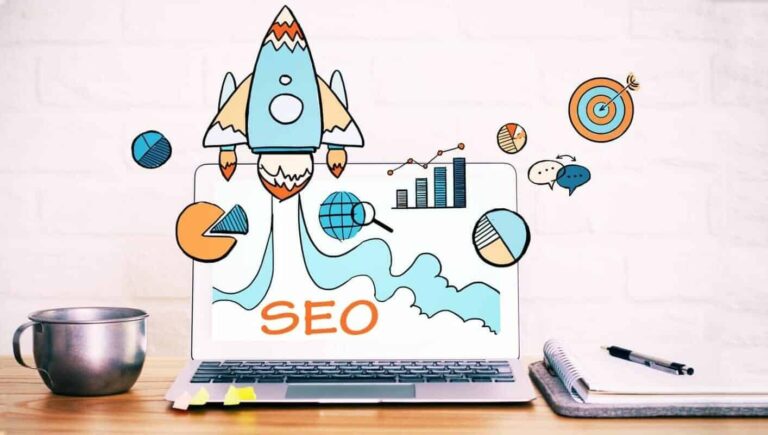
6 Ways to Improve Your Site Ranking (SEO)
Set an SEO Optimization Strategy: Creating a strong SEO optimization strategy is essential for improving website ranking and online visibility. It involves researching the right keywords, analyzing competitors, optimizing website structure, and improving content quality. A well-planned SEO strategy focuses on on-page optimization, technical SEO, and link building to help search engines understand and rank your website better. By regularly monitoring performance, updating content, and adapting to search engine algorithms, businesses can achieve higher rankings, attract targeted traffic, and gain long-term growth. A strategic approach to SEO ensures consistent improvement and better results over time.
Publish Relevant, Authoritative Content: Publishing relevant and authoritative content is one of the most effective ways to improve site ranking. Search engines prioritize websites that provide valuable, well-researched, and user-focused information. By creating high-quality blogs, service pages, and resources that address the needs of your audience, you can establish credibility and expertise in your industry. Regularly updated content with proper keywords, clear structure, and helpful insights improves engagement and encourages repeat visitors. Authoritative content not only boosts search engine rankings but also builds trust and strengthens your brand’s online presence.
Update Your Content Regularly: Regularly updating your website content is essential for improving site ranking and maintaining online relevance. Search engines prefer websites that provide fresh, accurate, and up-to-date information. By revising old pages, adding new blogs, and improving existing content with updated keywords and insights, you signal to search engines that your website is active and valuable. Regular updates also enhance user experience, keep visitors engaged, and encourage repeat traffic. Consistent content updates help improve search rankings, build credibility, and ensure long-term growth for your website.
Have a Link-Worthy Site: Building a link-worthy website is crucial for improving site ranking and online authority. A link-worthy site offers high-quality, valuable, and engaging content that other websites naturally want to reference and share. When reputable websites link back to your content, it signals trust and credibility to search engines, helping your site rank higher in search results. Creating informative blogs, useful resources, and well-structured pages encourages organic backlinks. The more authoritative and helpful your website is, the more likely it is to attract quality links and boost overall search engine performance.
Optimize for Mobile and Execute Technical SEO: Optimizing your website for mobile devices and implementing technical SEO are essential steps for improving site ranking. With most users accessing websites through smartphones, a mobile-friendly design ensures better user experience and higher engagement. Technical SEO focuses on improving website speed, secure connections, proper indexing, structured data, and easy navigation. These factors help search engines crawl and understand your site more effectively. A fast, responsive, and technically optimized website not only ranks higher in search results but also delivers a seamless experience that keeps visitors engaged and increases overall traffic.
SEM, SEOx, and More: Improving site ranking requires a combination of strategies beyond basic optimization. Search Engine Marketing (SEM), Search Engine Optimization (SEO), and other digital marketing techniques work together to increase visibility and traffic. While SEO focuses on organic growth through content and technical improvements, SEM uses paid campaigns to gain faster exposure. Additional methods like content marketing, social media promotion, and analytics tracking further strengthen online performance. By integrating multiple approaches, businesses can achieve better rankings, reach a wider audience, and create a balanced strategy for long-term digital success.
Check Out Social Media Today for the latest updates.
7. Customer Relationship Management (CRM)

5 Ways Customer Relationship Management Improves Business
- Centralizes Customer Data & Insights: Customer Relationship Management (CRM) systems help centralize all customer data and insights in one organized platform. Instead of scattered information across emails, spreadsheets, and tools, a CRM stores contact details, interactions, purchase history, and preferences in a single place. This allows businesses to better understand customer behavior, track communication, and make data-driven decisions. With centralized insights, teams can deliver personalized experiences, improve customer service, and build stronger long-term relationships. Having all customer information easily accessible leads to smarter strategies and more effective business growth.
- Automates Sales and Marketing Processes: Customer Relationship Management (CRM) systems help automate key sales and marketing activities, saving time and improving efficiency. Tasks such as email follow-ups, lead nurturing, appointment scheduling, and campaign management can be handled automatically through a CRM platform. Automation ensures that potential customers receive timely communication and personalized messages without manual effort. It also helps businesses track leads, manage pipelines, and analyze performance with ease. By automating repetitive processes, companies can focus more on strategy, customer engagement, and closing deals effectively.
- Boosts Customer Service & Support: Customer Relationship Management (CRM) systems play a key role in improving customer service and support. By providing instant access to customer history, preferences, and previous interactions, CRM tools help teams respond quickly and effectively to inquiries. Support teams can track issues, manage tickets, and resolve problems in a more organized and timely manner. With better communication and personalized assistance, businesses can enhance customer satisfaction and build stronger relationships. Improved service through CRM leads to higher customer loyalty, better retention, and a more positive brand experience.
- Enables Personalized Engagement: Customer Relationship Management (CRM) systems enable businesses to deliver highly personalized engagement with their customers. By analyzing customer data such as preferences, behavior, and past interactions, CRM tools help create targeted messages and tailored experiences. Businesses can send customized emails, recommend relevant services, and communicate with customers at the right time. Personalized engagement builds stronger connections, increases trust, and improves overall customer satisfaction. With CRM-driven insights, companies can interact with their audience in a more meaningful and effective way, leading to better relationships and higher conversions.
- Improves Lead Conversion & Retention: Customer Relationship Management (CRM) systems help businesses improve both lead conversion and customer retention. By organizing leads, tracking interactions, and automating follow-ups, CRM tools ensure that no opportunity is missed. Businesses can nurture potential customers with timely communication and personalized offers, increasing the chances of converting them into loyal clients. CRM also helps maintain strong relationships with existing customers through regular engagement and support. This structured approach leads to higher conversion rates, better customer loyalty, and long-term business growth.
Check Out Social Media Today for the latest updates.
“Managing all these moving parts can be a full-time job. If you’re looking ton streamline digital presence, explore our [Custom Social Media Management] designed to scale with your business”.
Contact prathikxmedia.com
Conclusion
“The digital landscape is constantly evolving, but the core principles of social media marketing remain the same: connection, value, and consistency. By implementing the seven strategies we’ve discussed – viral marketing, SEO optimization, and cost-effective advertising you aren’t just joining a trend; you’re future-proofing your business. If you’re ready to stop guessing and start growing, check out our [Full Range of Marketing Services] to get started today”.
Nice
Good